NEWS & EVENTS
Information – Events – Activities
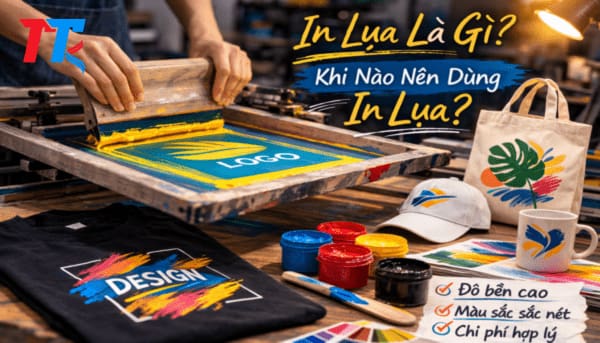
What is Screen Printing? When Should You Use Screen Printing to Create a Strong Impression?
Have you ever held a t-shirt with a sharp, vibrant design and wondered how it was printed so perfectly? Or when looking at billboards, canvas bags, or even ceramics with vivid images, have you been curious about the technique behind it? That's where screen printing – also known as silk screen printing – comes into play. In today's diverse printing world, screen printing still holds its position thanks to its versatility and superior quality. Today, let's explore in more detail what screen printing is, how it works, and especially when to use it to achieve the best results for your product. If you are looking for printing solutions for your business or personal ideas, this article will help you understand it better.
What is screen printing? An Ancient Yet Modern Printing Technique
Screen printing, or screen printing, is a printing method that uses a mesh frame (usually made from silk or synthetic materials like polyester) to transfer ink onto the surface of a material. This technique originated in ancient China, where silk was used to create exquisite paintings. By the 20th century, it had developed significantly in Europe and America, becoming a popular tool in the printing industry. Today, screen printing is no longer limited to manual labor but has combined with modern technology, allowing for mass printing with high precision.
The screen printing process is quite simple but requires skill. First, the craftsman creates a tightly stretched mesh frame, then applies a layer of photosensitive glue. The design pattern is printed onto a transparent film and placed on the frame, then illuminated to harden the glue in the areas not to be printed. When cleaned, the frame will have holes corresponding to the design pattern. Ink is poured onto a frame and a rubber squeegee is used to press the ink through a mesh, permeating the surface of the material underneath, such as fabric, paper, plastic, glass, or metal.
Interestingly, screen printing allows the use of many different types of ink, from water-based to oil-based inks, UV inks, and even special inks for glitter or luminescence effects. As a result, the final product is not only colorfast but also has good adhesion, withstanding washing or harsh weather conditions. Compared to modern digital printing methods, handcrafted screen printing is more artistic, like a hand-painted picture, creating a unique and personalized feel.
In Vietnam, screen printing has become an indispensable part of the printing industry, especially in production workshops like Tien Thanh – which specializes in providing high-quality screen printing services to thousands of customers. From company uniforms to gift bags, screen printing helps bring ideas to life vividly.
Advantages and Disadvantages of Screen Printing: Not Always Perfect
Before deciding when to use screen printing, let's look at its strengths and weaknesses for a balanced perspective. First, the biggest advantage is durability. Screen printing ink adheres firmly to the surface, not easily fading over time, ideal for long-lasting products such as clothing, bags, or outdoor signage. Second, low cost for large-volume printing – one screen frame can be used for thousands of prints without needing replacement. Third, versatility: you can print on almost any material, from soft cotton fabric to hard plastic or wood.
Furthermore, screen printing benefits also lie in its ability to create special effects. For example, screen printing can layer multiple inks to create depth or use raised inks to make patterns stand out. This makes the product not just an object but a work of art. However, the disadvantages are also clear: the screen frame preparation process is time-consuming and labor-intensive, unsuitable for quick printing or small quantities. If the design is complex with many colors, you need many separate screen frames, driving up costs. Additionally, screen printing requires skilled technicians to avoid errors such as ink smudging or uneven color.
Compared to digital printing (such as laser or inkjet), screen printing wins in durability and mass production costs, but loses in speed and ease of correction. Therefore, if your project requires high precision and quick turnaround times, perhaps another method should be considered. But if long-lasting quality and a handcrafted feel are prioritized, screen printing is the top choice.
When should you use screen printing? Ideal situations for application
Now, to the most important part: when should you use screen printing? It's not always appropriate, but in some situations, it will provide superior value. First, if you need to print on fabric or textiles, screen printing is "king." Imagine preparing uniforms for your company's soccer team – bright colors, sharp logos, and washable hundreds of times without fading. Or for advertising campaigns with eco-friendly fabric bags, screen printing makes the design stand out, attracting customers at first glance.
Secondly, screen printing is ideal for mass production with simple to medium-sized designs. For example, printing posters, billboards, or outdoor signs – where they need to withstand sun and rain. At Tien Thanh, we once helped a fashion brand print thousands of t-shirts with exclusive designs, helping them save costs while maintaining high quality. If you are a small business, screen printing is also suitable for promotional gifts such as ceramic mugs or hats, creating a lasting impression on customers.
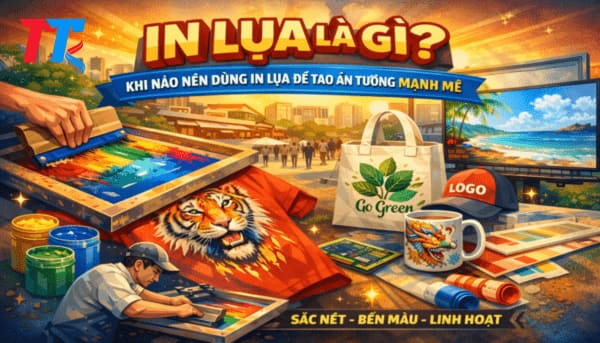
Thirdly, when special effects are needed or printing on uneven surfaces is required, screen printing can be applied to ceramics, bottles, or even electronic circuit boards – something that many other methods struggle with. If your project involves art or personalized design, such as printing murals or handcrafted accessories, this is where screen printing shines. However, avoid using screen printing for small print runs (under 50 copies) or complex designs with color gradients, as digital printing would be more effective in such cases.
Finally, consider your budget and time. If you have time to prepare (usually 1-2 weeks for the screen frame), and want a durable product, screen printing is a smart choice. In the context of the Vietnamese economy, where businesses are increasingly focusing on physical marketing, screen printing helps you stand out from the multitude of conventional printed products.
Tips for Choosing a Quality Screen Printing Service to Avoid Mistakes
To maximize the benefits of screen printing, choosing a reputable supplier is key. First, check their experience: a printing workshop like Tien Thanh with over 10 years of operation will guarantee quality from design to finished product. Second, request a sample – don't hesitate to test colorfastness by washing or exposing it to sunlight. Third, pay attention to the type of ink and screen material: inks imported from Europe are usually better, making your product more durable.
Conclusion: Screen Printing – A Smart Choice for Those Who Want Durability and Uniqueness
In short, what is screen printing? It's a classic yet vibrant printing technique that delivers high-quality products with superior durability. When should you use screen printing? When you need to print in bulk on fabric, special surfaces, or want to create artistic effects – especially for advertising, fashion, and gifts. With benefits like reasonable cost and flexibility, screen printing is an ideal solution for growing Vietnamese businesses.
If you are planning your next printing project, don't hesitate. Contact us for free consultation and competitive pricing!
Contact Information:
Tien Thanh Production, Trading and Investment Co., Ltd.
PROFESSIONAL CONSULTING AND PRODUCTION

GETDESIGNSAMPLES
CONTACTUSNOW
PROFESSIONAL CONSULTING AND PRODUCTION

GETDESIGNSAMPLES
CONTACTUSNOW
ORDERPRINTINGANDEMBROIDERY - DIRECTPRINTINGANDEMBROIDERYWORKSHOP