NEWS & EVENTS
Information – Events – Activities
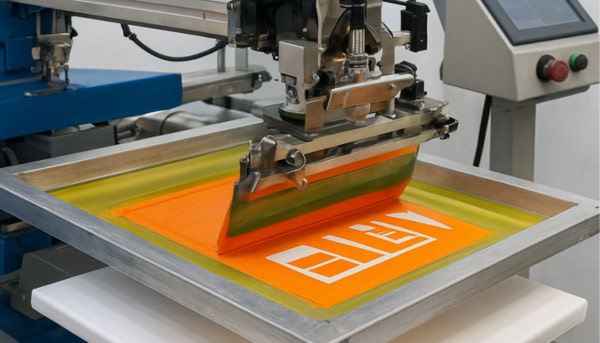
How are automated screen printing machines changing the efficiency of modern printing?
Automatic screen printing machines have emerged as a cornerstone technology in the modern industrial printing industry. By combining the traditional artistry of screen printing with advanced automation, these machines provide manufacturers and designers with a reliable way to achieve consistent, high-quality results at unprecedented speed. As production demands continue to rise, automation provides the efficiency, precision, and scalability needed to remain competitive in the global market.
The Development of Screen Printing Technology
Screen printing has been an established method for decades, highly valued for its ability to produce vibrant and durable prints. Historically, this process required skilled operators to manually align the screen, apply ink, and adjust pressure. While the results were impressive, production capacity was limited, and consistency often depended on the operator's experience. The introduction of automatic screen printing machines has addressed these limitations by replacing manual controls with precise, programmable mechanisms.
Modern automatic printing machines are controlled by servo motors and computer systems that maintain accuracy in ink registration and distribution. This allows manufacturers to produce thousands of identical prints with minimal human intervention. Whether used for textiles, glass, plastics, or circuit boards, automation ensures that each print adheres to stringent quality standards, minimizing waste and maximizing productivity.

Key Features and Technological Innovations
Today's automatic screen printing machines incorporate a range of intelligent features designed for precision and ease of operation. Most machines include servo positioners for perfect registration, pneumatic squeegee controls for consistent pressure, and touchscreen PLC interfaces for seamless configuration. High-end systems utilize AI-based diagnostics to predict maintenance requirements and prevent downtime. Furthermore, the integration of UV or infrared drying systems ensures instant ink drying, optimizing workflow efficiency.
Some advanced models also support multi-color printing with automatic conveyor belt rotation, allowing up to 12 screens to operate in perfect synchronization. The integration of vacuum tables and micro-regulator adjustments makes them suitable for printing on uneven surfaces such as curved plastics or metal components. These innovations make automatic screen printing machines not just a production tool but a center of technological precision in the manufacturing environment.
Applications in Multiple Industries
The versatility of automatic screen printing machines is one of their most valuable characteristics. In the textile industry, they are used to create high-resolution prints on clothing, ensuring color vibrancy and wash durability. In the electronics industry, the same machines produce conductive patterns on circuit boards, where precision is paramount. The glass and packaging industries rely on these printers to create branding, logos, and intricate designs on surfaces requiring uniform ink adhesion.
For advertising products and industrial labels, printers provide an efficient means of printing on materials such as wood, metal, ceramics, and composite films. Their reliability and repeatability allow businesses to maintain quality assurance across diverse production lines. The result is faster turnaround times, improved brand consistency, and reduced operating costs—a significant advantage in today's competitive landscape.
Benefits of Automation in Screen Printing
Automating the screen printing process delivers measurable benefits across all production metrics. The accuracy of automated registration ensures perfect alignment, eliminating the risk of printing errors. Improvements in speed are equally impressive; What once required hours of manual setup can now be accomplished in minutes. Furthermore, automation minimizes ink waste and human error, ensuring cost efficiency and environmental responsibility.
Another major advantage is scalability. Businesses can increase production volume without a corresponding increase in labor costs. Digital data tracking also enables improved quality control, providing detailed records of production runs and performance analysis. For companies seeking to maintain brand consistency or adhere to stringent industry standards, automation provides the accuracy and traceability necessary for success.
|
Features |
Manual screen printing |
Automatic screen printing |
|---|---|---|
|
Production speed |
Low to medium, depending on operator |
High, consistent output |
|
Accuracy |
Variable due to manual settings |
Precise digital control |
|
Labor requirements |
High, multiple operators |
Low, one operator |
|
Maintenance |
Frequent manual adjustments |
Predictive and automated |
|
Energy efficiency |
Medium |
Optimized via intelligent systems |
Future Trends in Automated Screen Printing
The next generation of automated screen printing machines will continue to integrate smarter technologies to enhance connectivity and performance. The rise of Industry 4.0 and IoT integration means machines will transmit data in real time, enabling remote monitoring and predictive optimization. Artificial intelligence will further improve ink delivery accuracy and material handling, dynamically adjusting settings based on substrate type and environmental conditions.
In addition, sustainability is becoming a driving force in the design of new machines. Energy-efficient drying systems, environmentally friendly inks, and minimal-waste configurations are increasingly becoming the standard. As global manufacturers prioritize green production, automated printing machines are evolving to support these initiatives without sacrificing speed or quality. Hybrid printing—combining screen printing and digital technology—is also on the rise, combining the tactile richness of screen printing with the flexibility of the digital process.
-
1. What is an automatic screen printing machine? It is a computer-controlled printing machine that automates the screen printing process, ensuring high accuracy, speed, and consistency in large-scale production.
-
2. What materials can be printed with an automatic printing machine? It can print on fabric, plastic, metal, glass, wood, and even electronic substrates, depending on the configuration.
- 3. How does automation improve print quality? The automated system maintains consistent pressure, alignment, and ink flow, minimizing human error and ensuring high-quality, repeatable printing.
- 4. Are automatic printing machines cost-effective for small businesses? Although the initial investment is significant, automation reduces long-term production costs, making it suitable for growing businesses with consistent printing needs.
- 5. How often should these machines be serviced? Regular cleaning and routine maintenance are necessary, but predictive systems in modern printers alert operators before problems occur.
- 6. What future innovations can be expected? Upcoming developments include AI-assisted control, energy-efficient drying systems, and hybrid printing technology combining digital and screen printing processes.
Automated screen printing machines represent the perfect blend of tradition and technology. By combining the artistic precision of screen printing with the reliability of automation, it continues to redefine efficiency standards in industrial production. As the technology matures, these machines will play a larger role in shaping the future of high-volume, sustainable, and high-quality printing.
According to Made-in-China
GETAQUOTE

ORDERPRINTINGANDEMBROIDERY - DIRECTPRINTINGANDEMBROIDERYWORKSHOP
GETDESIGNSAMPLES
GETAQUOTE

ORDERPRINTINGANDEMBROIDERY - DIRECTPRINTINGANDEMBROIDERYWORKSHOP
GETDESIGNSAMPLES
CONTACTUSNOW